Harvest Season
| Varietal(s) | Castillo |
|---|---|
| Processing | Fully washed, mechanically dried, ethyl acetate (EA) decaffeination |
This coffee is decaffeinated with ethyl acetate. Everything else about it follows from that fact.
Ethyl acetate is a naturally occurring organic compound found in many fruits and vegetables, and it can also be synthesized for coffee decaffeination. The green beans are steamed or soaked to expand them, then soaked in EA, caffeine bonds with the compound and is drawn out of the bean, and the coffee is removed from the solvent, rinsed thoroughly, re-dried, and re-bagged. That is the whole method, and it is a solvent method — a fair thing to know before you buy a decaf, since the processes trade against each other. Water-based methods avoid solvent and can strip more aroma; EA tends to leave aromatic coffees more intact.
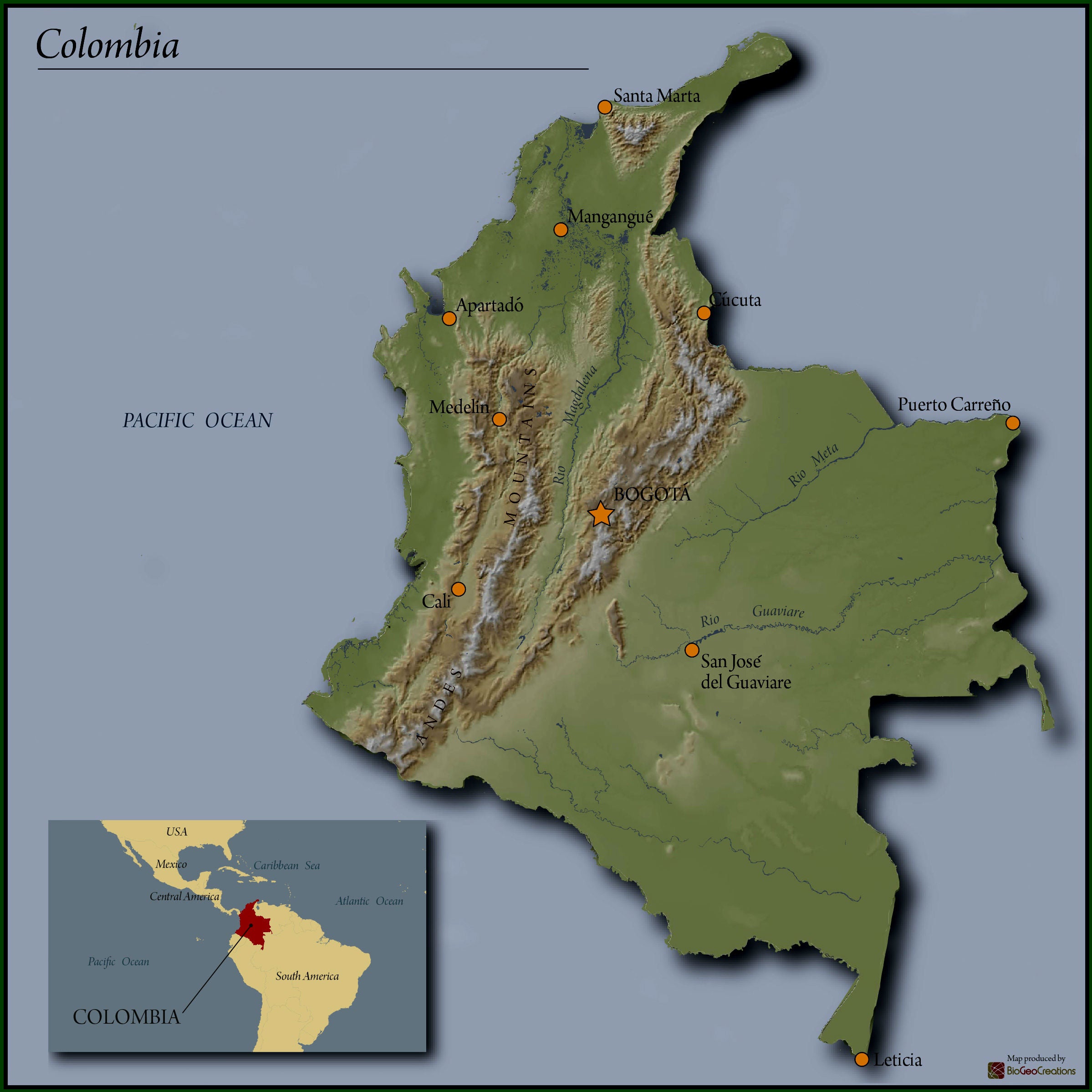
The coffee is Colombian, from producers in coffee communities across the country, growing Castillo between 1,200 and 1,800 meters. The cherry is fully washed and mechanically dried. A washed Colombian does not rely on volatile florals for its identity: it is built around milk chocolate, honey, and a gentle citrus, compounds that live in the structure of the bean rather than on the surface of it.
Colombian coffee from these mid-to-high elevations is typically sweet and balanced, with caramel and soft fruit rather than sharp acidity. The best washed lots hold that shape even after the caffeine is gone.
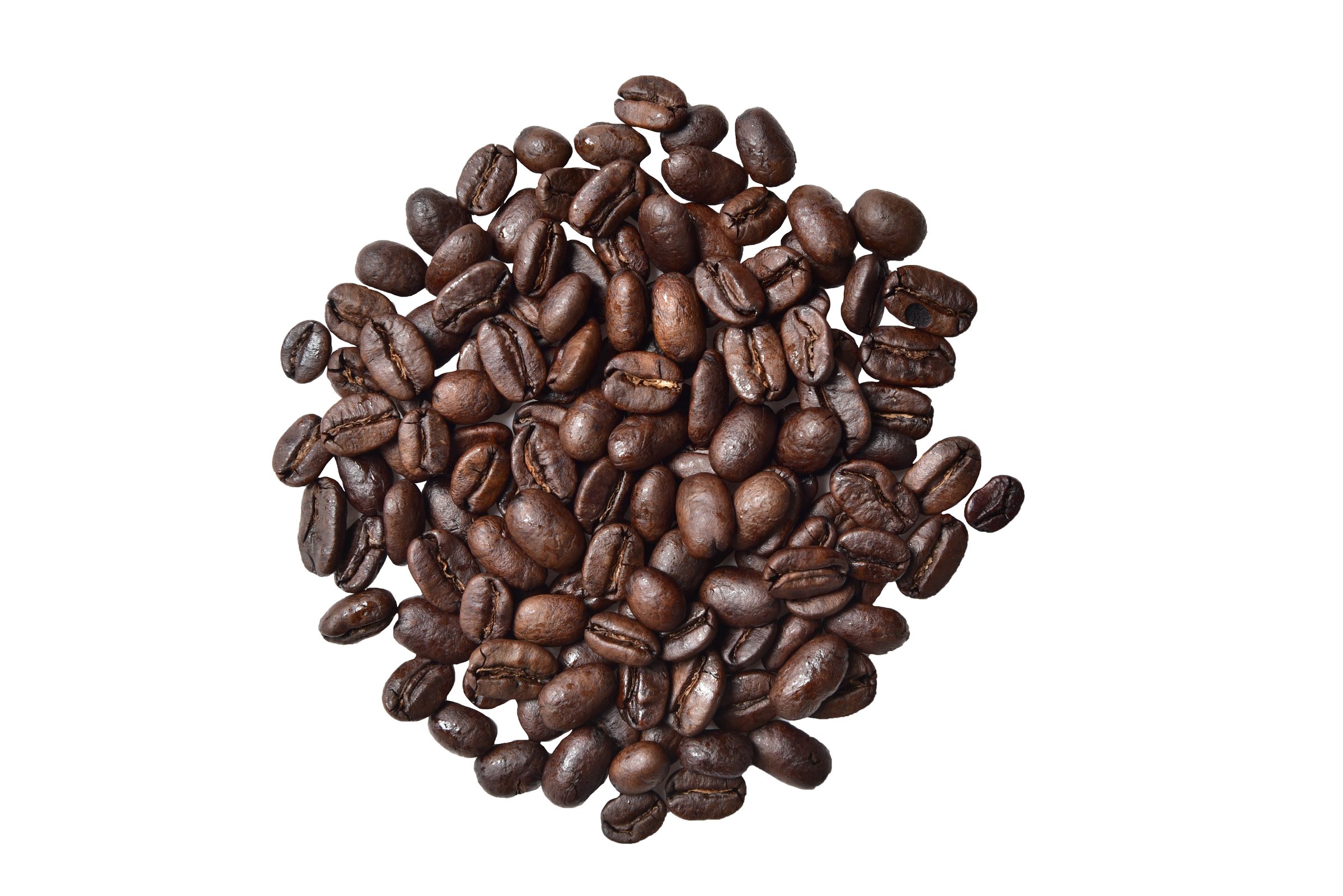
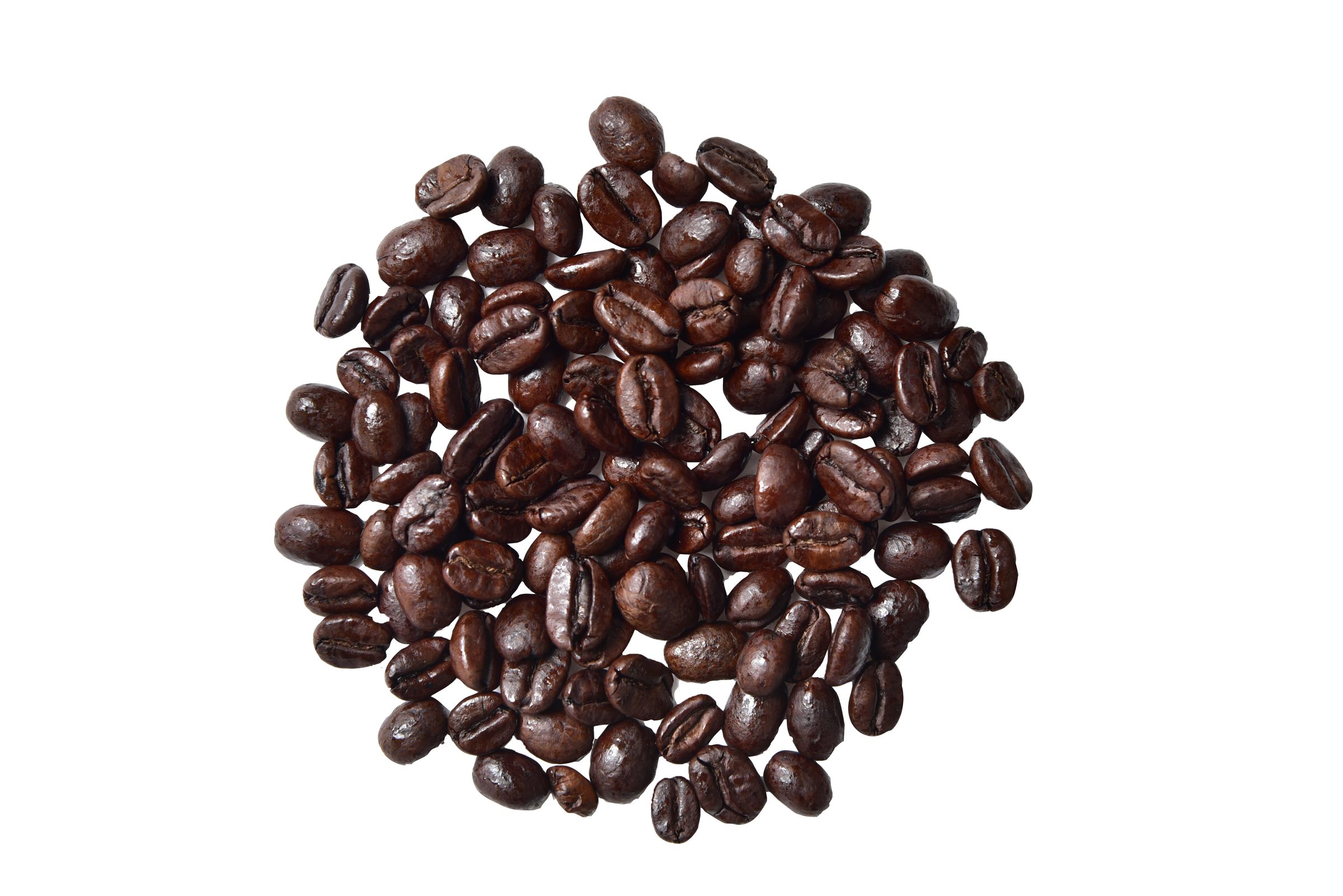
When we roast this, we taste orange, almond butter, honey, cinnamon, and milk chocolate. Orange arrives first and stays through the middle. Almond butter gives the cup its weight; honey does most of the sweetening work, with cinnamon behind it, and milk chocolate closes it out.
We Roast It This Way
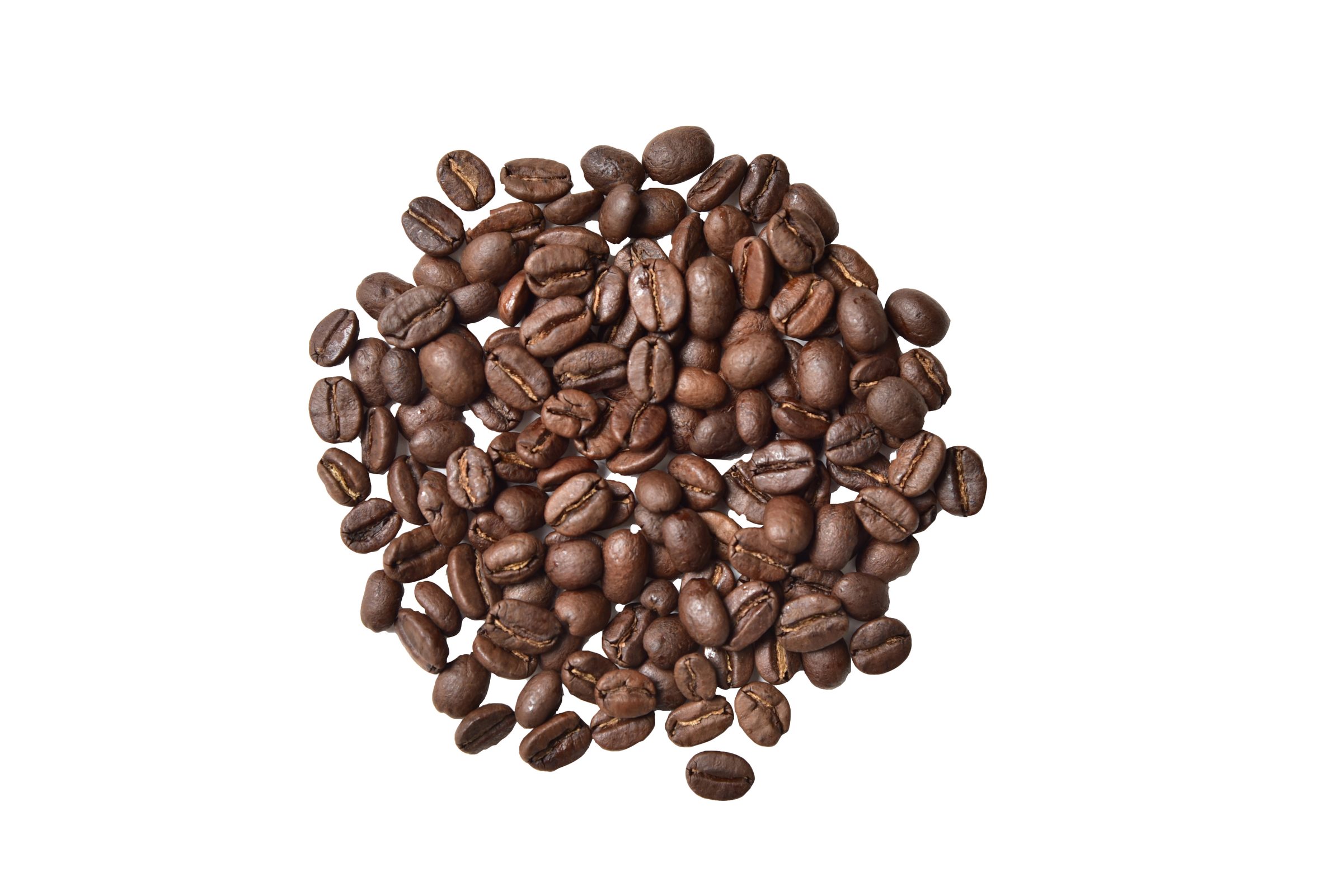
We roast it this way: to a Medium Dark roast. This is a specialty-grade green coffee. We recommend targeting 400–420°F charge temperature and aiming for City+ to Full City for a balanced cup that honours the origin character. First crack typically appears around 385–395°F (varies by roaster type and drum speed). Development time: 1:00–1:45 after first crack.
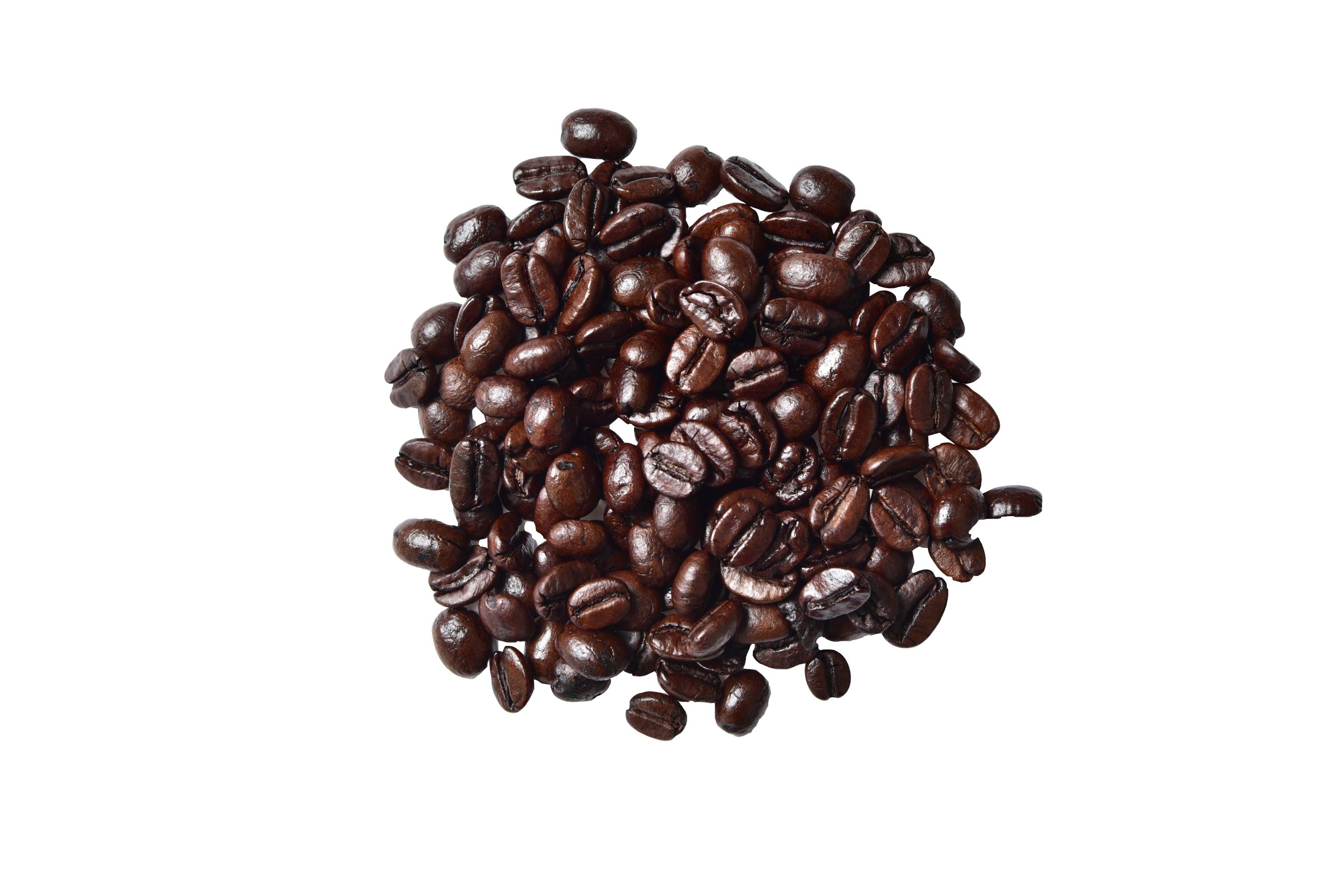
Medium-dark — decaf beans take heat faster, so we push just into the first snaps of second crack to deepen the chocolate and honey without letting the orange vanish.