Harvest Season
| Varietal(s) | Regional bourbon cultivars |
|---|---|
| Processing | Fully washed, dried on raised beds |
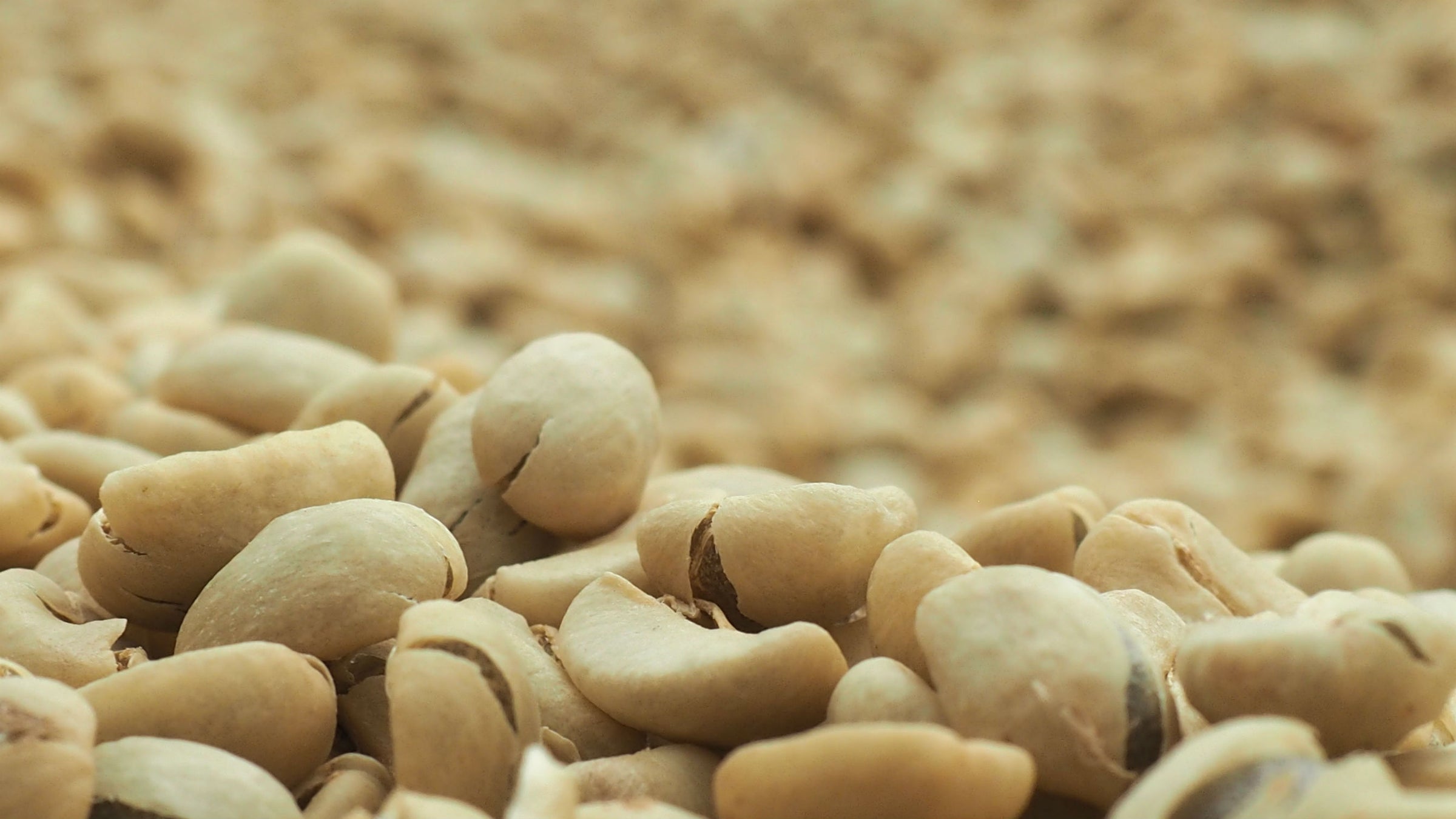
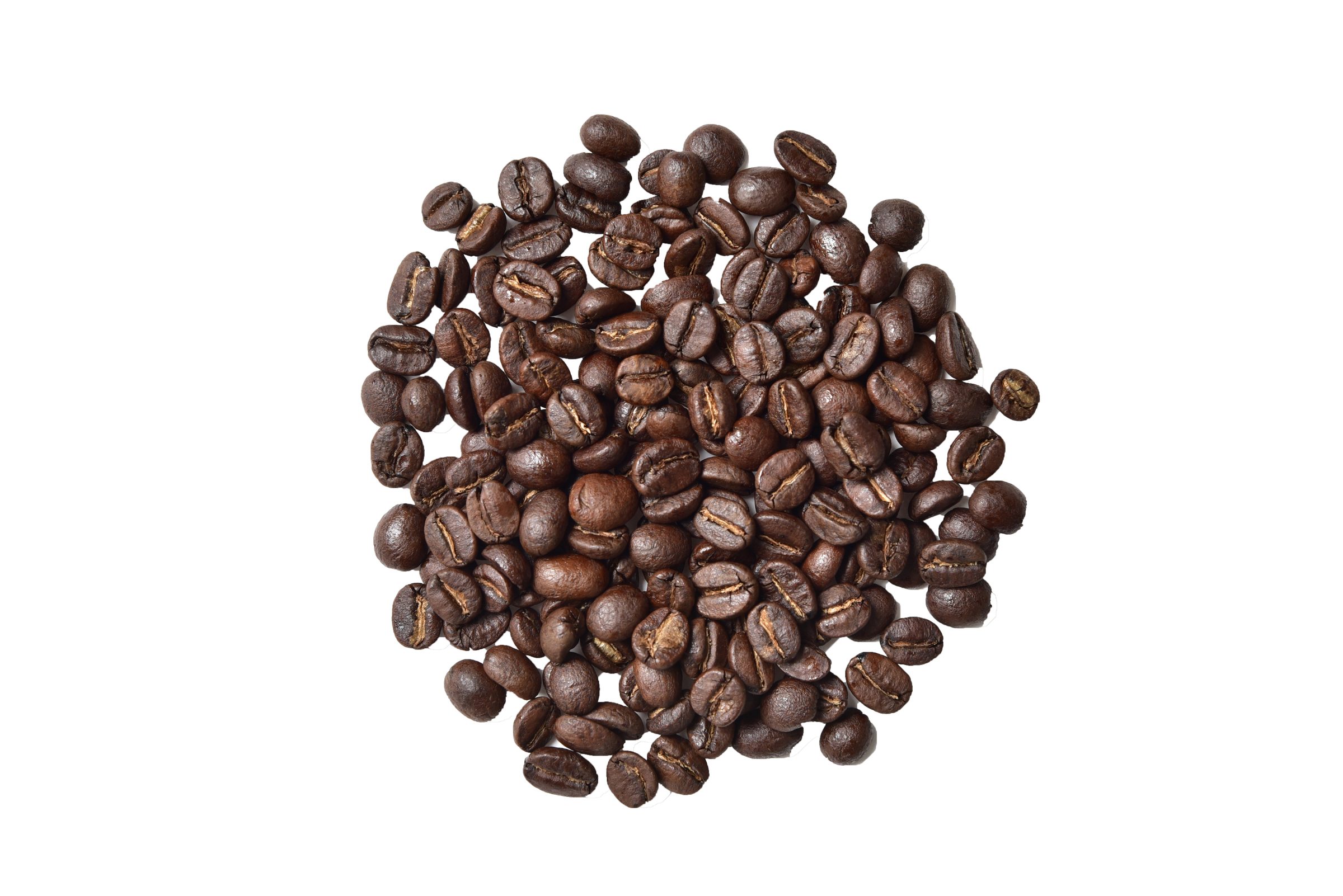
A peaberry is formed from the maturation of one seed per cherry rather than the usual two. The result is a round bean instead of the flat-sided pair, and it is denser, more uniform, and more concentrated. It is also a small fraction of any harvest, which is why it gets sorted out at milling and why a bag of it behaves a little differently from a bag of flat beans.
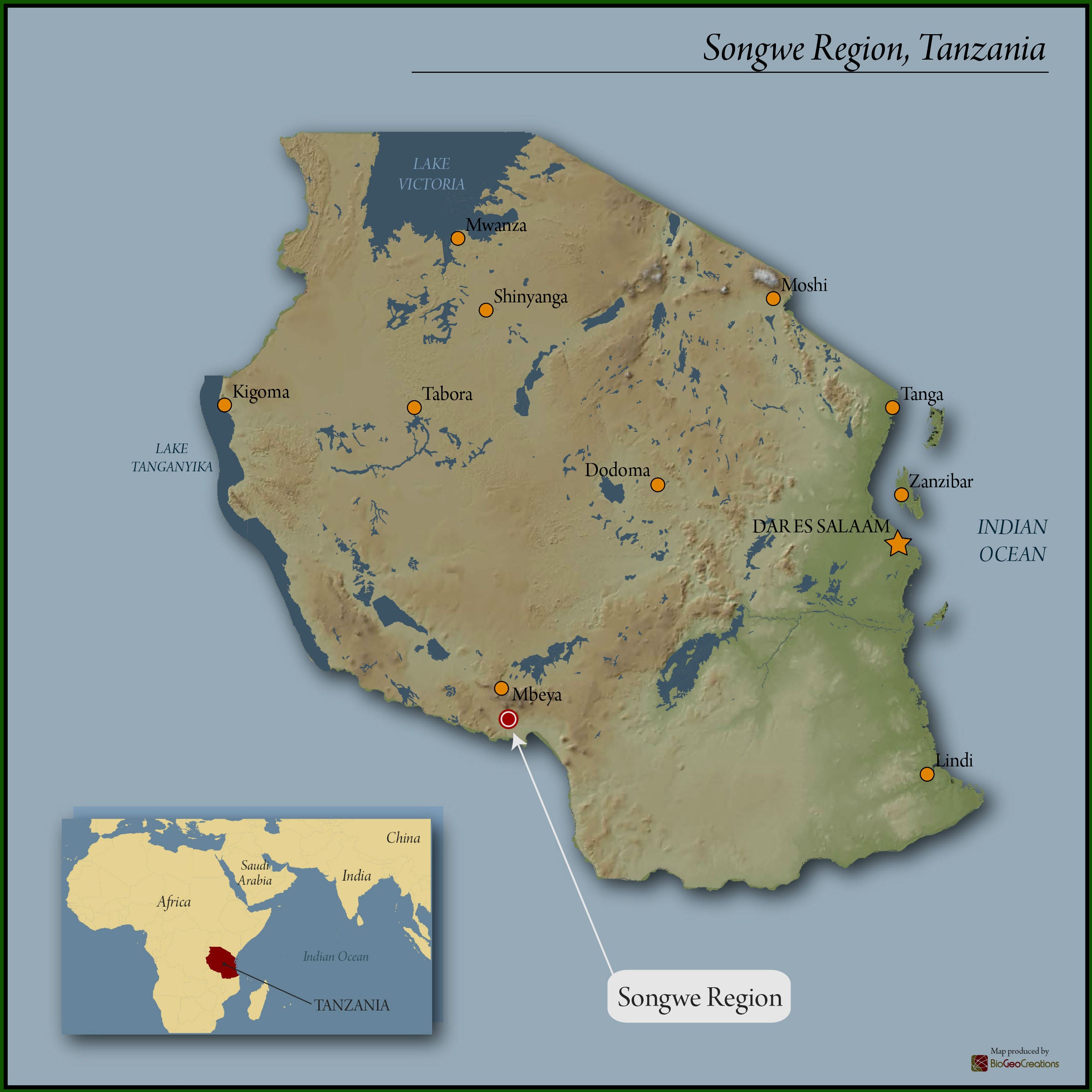
This peaberry comes from the southern highlands of Tanzania, in the Songwe Region, from small family-owned farms of just a few acres. It grows between 1,500 and 1,900 meters and is fully washed and dried on raised beds. Tanzania holds the lowest and highest elevations in Africa, from the floor of Lake Tanganyika at 352 meters below sea level to the summit of Kilimanjaro at 5,895 — and it holds a strong claim on the list of the world’s great coffee origins as well.
Processing is where this lot gets its structure. Fully washed and dried on raised beds is the East African standard, and it is why the cup is clean and tea-like rather than boozy. Cherry is pulped, fermented, washed, and dried on raised beds, which pulls the fruit character off the bean and leaves clarity behind. Centralized mills and consistent processing are what allow a country of small producers to deliver a repeatable cup lot after lot.
Tanzanian coffee from the southern highlands is typically clean and bright, with black tea and citrus rather than the heavier fruit of a natural Ethiopian.
When we roast this, we taste cardamom, cedar, brown sugar, and black tea. The cardamom is the first thing you will notice — warm, aromatic, slightly sweet, and not a flavor most people expect from an African washed coffee. Cedar follows, woody and clean. Brown sugar gives the middle of the cup its weight, and black tea runs through the finish.
We Roast It This Way
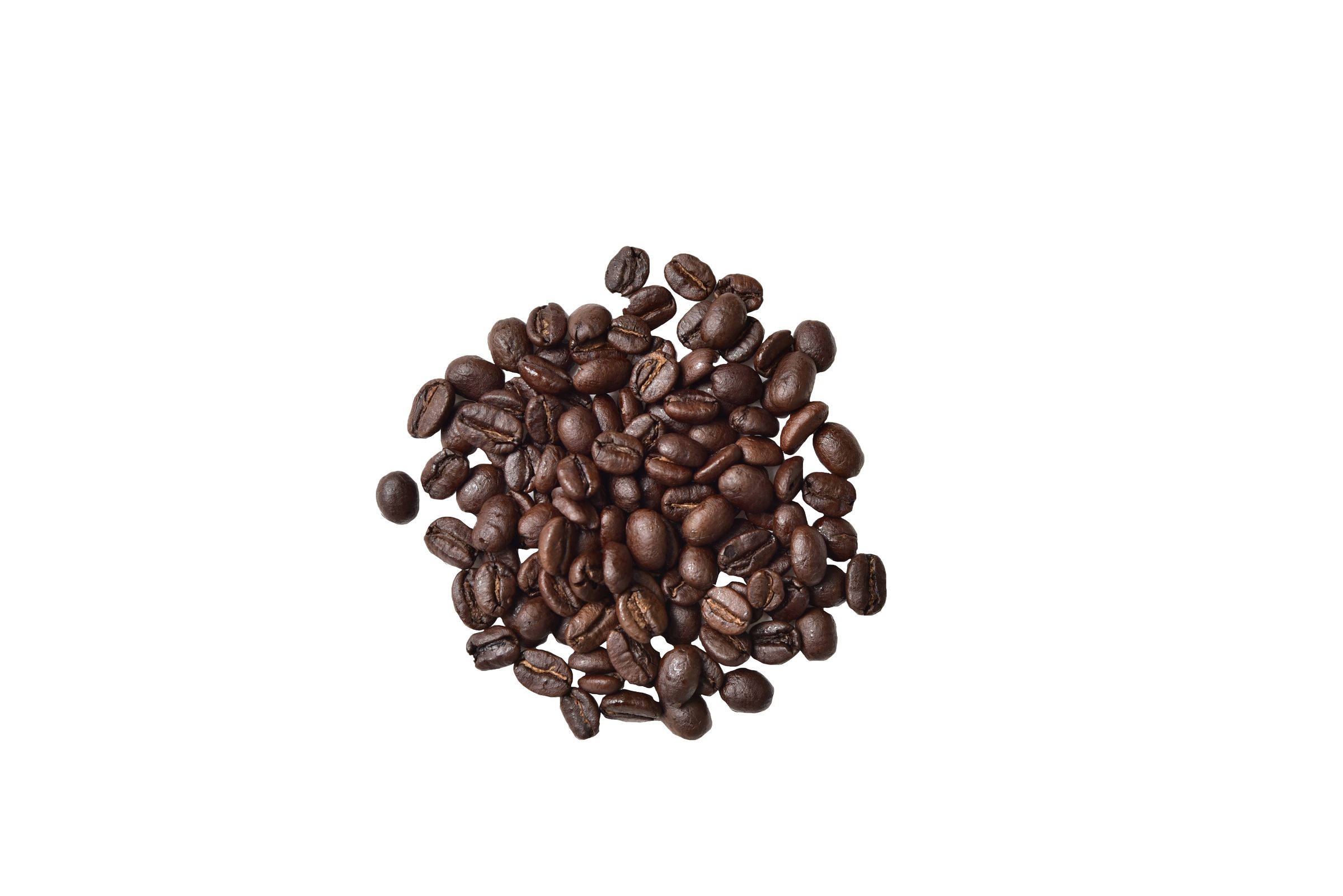
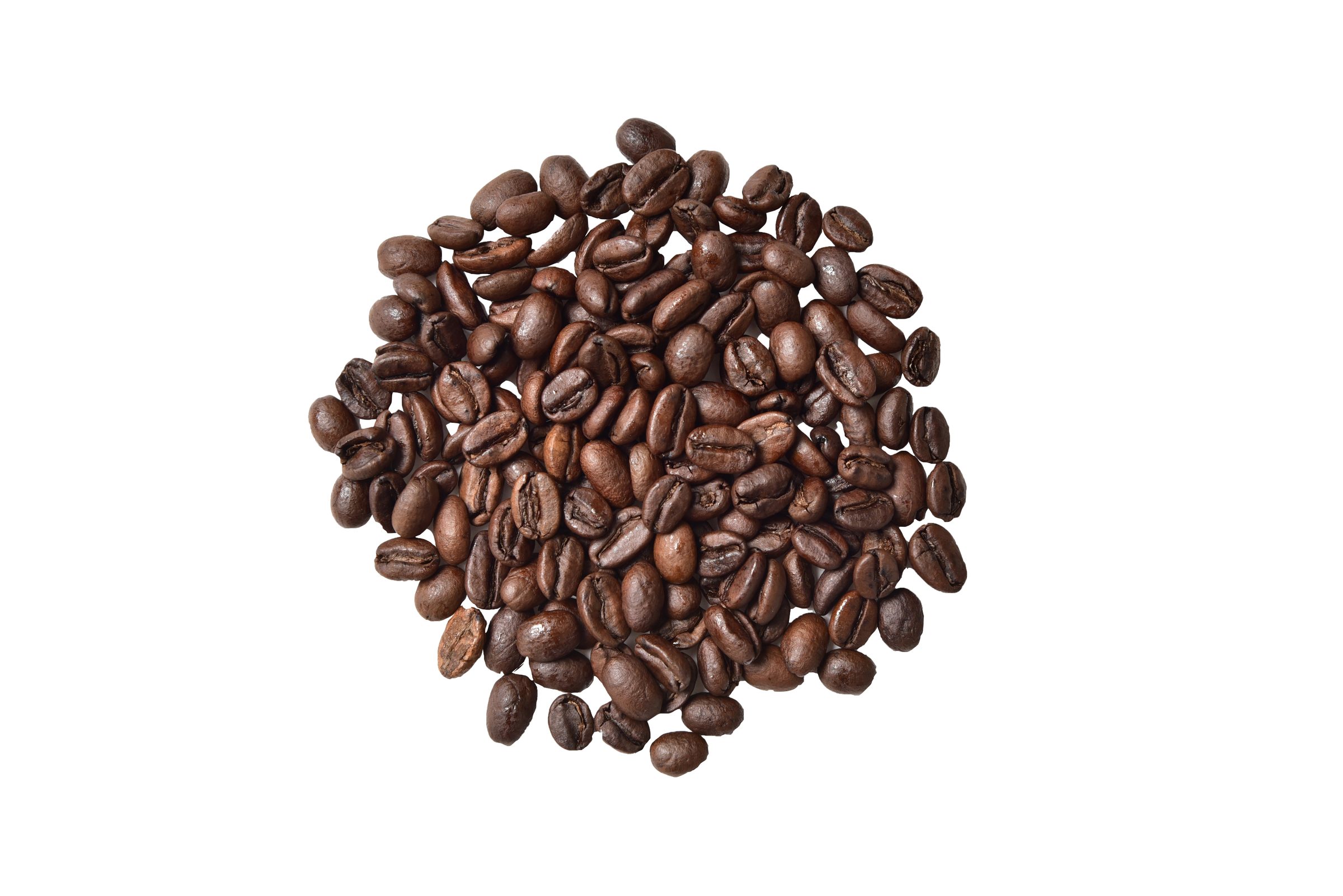
We roast it this way: to a Medium roast. This is a specialty-grade green coffee. We recommend targeting 400–420°F charge temperature and aiming for City+ to Full City for a balanced cup that honours the origin character. First crack typically appears around 385–395°F (varies by roaster type and drum speed). Development time: 1:00–1:45 after first crack.
Medium roast to let the black tea and citrus notes shine — peaberries are dense little powerhouses that take heat evenly. Push too light and you get peanut shells; push too dark and the brightness flattens. The sweet spot is right past first crack, where the chocolate emerges and the citrus stays sharp